
You took out your toothbrush, checked your phone one more time, and the next thing you remember is sunlight on your face and your eyes feeling glued shut. The contacts are still in. Or maybe a quick after-work nap on the couch turned into three hours. Either way, you’re wondering how worried you should actually be, whether it’s safe to keep wearing your lenses today, and if there’s a smarter way to handle the nights you can’t seem to stay awake long enough to take them out.
You’re not alone. About half of contact lens wearers have slept in their lenses at some point, and roughly a third do it regularly. The risks are real, but they’re also manageable once you know what’s actually happening with your eyes overnight. Here’s what sleeping in contacts does to your eyes, what to do the morning after an accidental sleep-in, and how to build a routine that keeps your lenses (and your vision) in good shape.
The Short Answer
For most people, no, sleeping in standard contact lenses isn’t safe. Even a quick nap raises your odds of irritation and infection. A handful of lenses are specifically approved for overnight wear, but those still come with elevated risk, and your optometrist has to clear you for them first.
Why Sleeping in Contacts Is a Problem
Your cornea, the clear dome at the front of your eye, doesn’t have its own blood supply. It pulls oxygen straight from the air through your tear film. When you slip a contact lens in, it already cuts down how much oxygen reaches the cornea. Close your eyelids over top of that for several hours, and you’ve stacked two barriers between the cornea and the air it’s trying to breathe.
The result is corneal hypoxia. Symptoms include redness, swelling, blurry vision, and that gritty, painful feeling you might recognize from a rough morning. Tear production also slows when you sleep, which usually doesn’t matter, except that contacts depend on tears to stay lubricated and to flush bacteria away. Less flushing, more bacterial growth, all happening in a warm, moist pocket pressed against your eye. Basically a petri dish.
The Real Risks (Without the Scare Tactics)
A few things can happen when you sleep with contacts on:
- Eye infections: The U.S. Centers for Disease Control and Prevention reports that sleeping in contact lenses increases the risk of contact lens-related eye infections by six to eightfold. The most serious of these is microbial keratitis, an infection of the cornea that can show up as a painful red eye, blurred vision, light sensitivity, and discharge.
- Corneal ulcers: These are open sores on the cornea, often caused by the same infections. Untreated, they can leave scarring that affects vision permanently. Heavy corneal scarring can also disqualify you from LASIK later on.
- Corneal abrasions: Lenses dry out overnight and can stick to the surface of the eye. Tugging on a stuck lens can scratch the cornea, which hurts a lot and takes days to heal.
- Garden-variety irritation: Even when nothing dramatic happens, you’ll usually wake up with red, dry, itchy eyes that take hours to feel normal again. Frequent sleep-ins also raise your odds of recurring styes and chronic redness.
Naps Count Too
A 20-minute couch nap probably won’t wreck your eyes, but it’s not a free pass. Oxygen levels at the cornea start dropping pretty quickly once your lids close. The longer the nap, the worse it gets. If you tend to nod off on your commute home, after dinner, or during a movie, those minutes add up over weeks and months. Build the habit of popping lenses out before you settle in, especially after a long day.
What About Extended Wear Lenses?
These exist, and they’re designed for overnight wear. They’re usually made with silicone hydrogel, which lets more oxygen through than older lens materials. Your optometrist needs to prescribe them based on your specific eye health, and even then, you’re still running a higher infection risk than someone who takes their lenses out every night. They’re not a magic pass to forget about your eyes for a week. They still need cleaning, replacement on schedule, and regular check-ins.
At LMC Optometry & Eye Care, we’ll talk you through whether extended wear lenses make sense for your eyes and your lifestyle, or whether a different option (often a daily disposable) is a better fit.
You Slept in Your Contacts. Now What?
Don’t panic, but don’t yank them out either. Walk through these steps:
- Wash your hands with soap and water, and dry them on a lint-free towel.
- Blink several times to get the tear flow moving again.
- Put a few drops of contact lens rewetting solution or preservative-free artificial tears in each eye, then wait a minute.
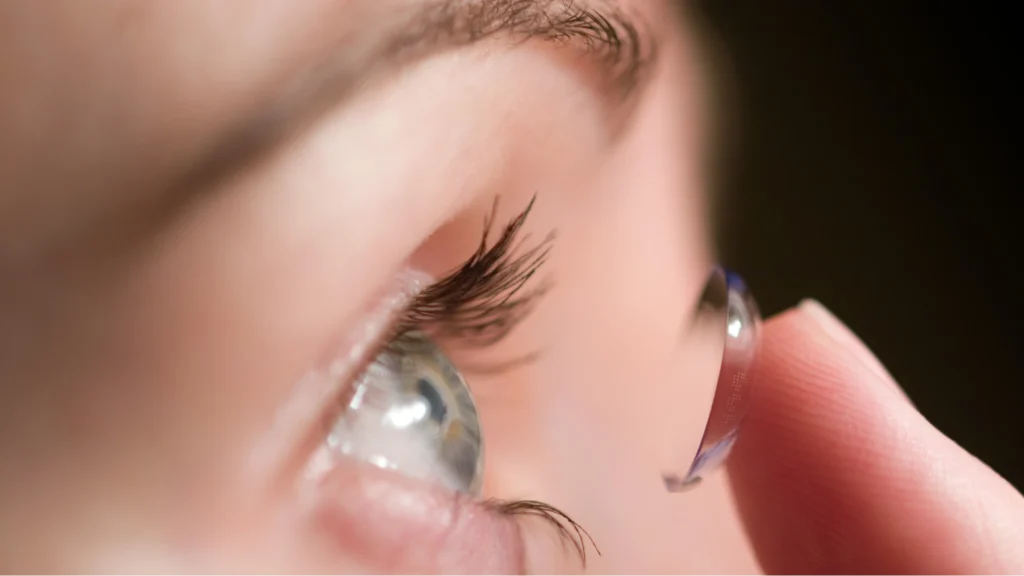
- Once the lens feels like it’s moving when you blink, gently slide it down onto the white of your eye and pinch it off. Never force a dry, stuck lens.
- Switch to glasses for the rest of the day to give your eyes a break.
- Toss the lenses if they’re daily disposables. If they’re biweekly or monthly, disinfect them with a fresh solution, not a top-up of the old.
Watch your eyes over the next 24 to 48 hours. Mild dryness and redness that clear up by mid-morning are usually fine. Persistent pain, blurry vision, light sensitivity, heavy discharge, or a red eye that won’t calm down are signs to call your optometrist that day.
Habits That Keep Your Eyes Safer
If you sleep in your contacts more often than you’d like to admit, a few small changes go a long way:
- Switch to daily disposables: They have a lower infection rate than reusable lenses, and there’s nothing to clean.
- Keep rewetting drops and a lens case on your nightstand: Less friction, easier removal.
- Build a “lenses out” trigger: brushing teeth, washing your face, plugging in your phone. Anything you already do automatically at night.
- Don’t swim or shower in lenses either: Water carries microbes that bond to contact lens surfaces.
- Replace your lenses on schedule: An “almost done” monthly lens isn’t worth the risk.
- Get a contact lens exam every year: Fit and prescription drift as your eyes change.
If you’re searching for an optometrist near me in Thornhill, Barrie, or Brampton, the LMC team can review your current lenses, check your corneas for any wear and tear, and adjust your prescription if needed.
Book a Contact Lens Exam at LMC
Healthy lens wear starts with the right fit and a quick check that nothing’s been quietly going wrong. If your eyes have been more irritated lately, you’ve been sleeping in lenses, or it’s just been a while since your last visit, book a contact lens fitting or comprehensive eye exam at LMC Optometry. Our optometrists across Ontario can sort out whether your current lenses still suit your eyes, and walk you through safer options if you need them.
FAQs
Can you sleep with contacts in for one night?
Sleeping in contacts even once can raise your risk of an eye infection. The CDC found that sleeping in lenses, whether occasional or habitual, increases infection risk by six to eight times. One night is unlikely to cause permanent damage, but irritation, redness, and dry eyes the next morning are common, and the risk isn’t zero.
What happens if you sleep with contacts in?
Sleeping with contacts blocks oxygen from reaching the cornea and traps bacteria against the eye. You can wake up with dry, gritty, or painful eyes, blurry vision, and a higher risk of infection, corneal ulcers, or abrasions if a lens sticks to your eye.
Are extended-wear contact lenses safe to sleep in?
Extended wear lenses are approved for overnight use, but they still carry an elevated risk of infection compared to removing lenses each night. They need to be prescribed by an optometrist based on your eye health and lifestyle, and they require the same cleaning and replacement schedule as other lenses.
Is napping in contacts okay?
A short nap in contact lenses is less risky than a full night, but it still reduces oxygen to the cornea and can leave your eyes dry and irritated. Frequent napping in lens stacks up risk over time. Best practice is to pop them out before you settle in.
How long after sleeping in contacts should I wait to put them back in?
Give your eyes at least a day in glasses before wearing contacts again. If you have any redness, pain, or blurry vision, wait longer and call your optometrist before reinserting lenses.
Can sleeping in contact lenses cause permanent damage?
Yes, it can. Repeated sleeping in contact lenses can lead to corneal ulcers, scarring, and, in rare cases, vision loss. Catching problems early with regular eye exams is the best way to protect your sight.