
You’re halfway through your afternoon, and suddenly your eyelids feel like they weigh a ton. You’re struggling to keep them open, and every blink feels like an effort. Maybe there’s a dull ache behind your eyes, or they feel tight and strained. Sound familiar? You’re definitely not alone. Heavy eyes are one of the most common complaints we hear at LMC Optometry & Eye Care, and the good news is that understanding what’s causing this sensation is the first step toward real relief.
In this post, we’ll walk you through the most common causes of heavy eyes, from prolonged screen time and dry eyes to seasonal allergies and age-related changes. You’ll learn practical strategies to relieve that tired, weighed-down feeling right away, and you’ll discover when it’s time to see an eye care professional for a deeper solution.
What Does “Heavy Eyes” Actually Feel Like?
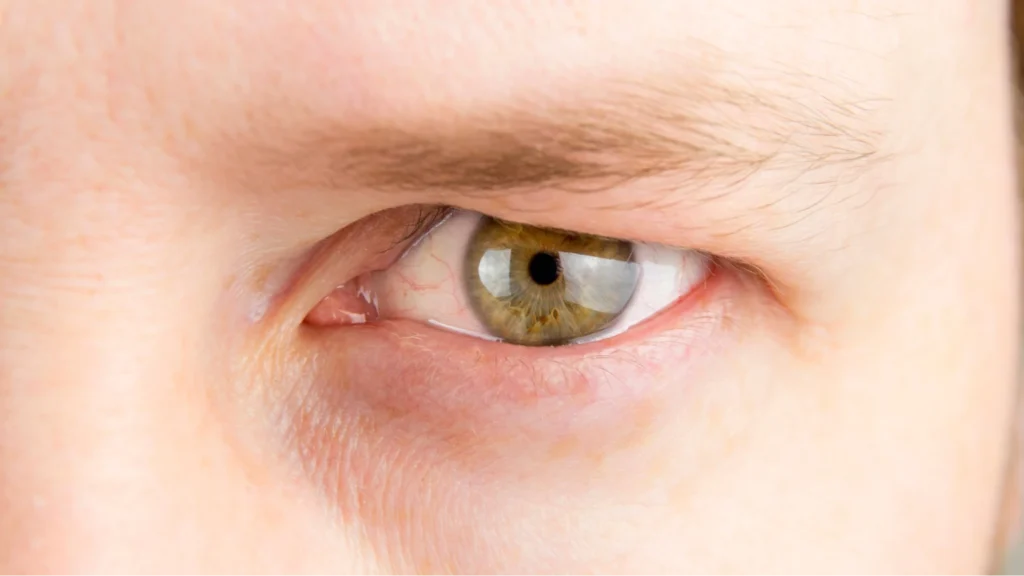
Before we dig into the causes, let’s talk about what we mean by “heavy eyes.” Most people describe it as:
- A constant tired sensation in and around the eyes
- Difficulty keeping your eyes open, even when you’re not sleepy
- A pressure or pulling feeling behind the eyelids
- Eyes that feel tight, strained, or achy
- The need to physically hold your eyes open to stay focused
This isn’t just in your head. When you have heavy eyes, the muscles in and around your eyes are genuinely overworked, similar to how your legs might feel after a long hike. These muscles become fatigued from prolonged use, and that fatigue creates that weighted, droopy sensation you can’t shake.
Digital Eye Strain: The Modern Culprit
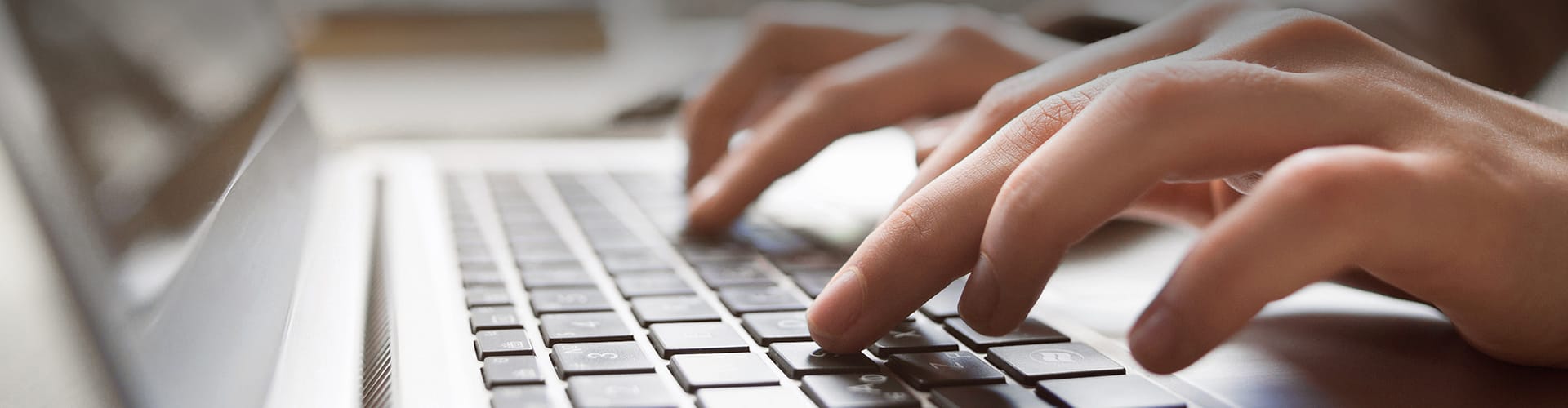
Let’s start with the elephant in the room. If you work on a computer, scroll through your phone, or spend hours in front of screens, you’ve probably experienced digital eye strain. An estimated two out of three people report symptoms of digital eye strain, making it one of the most widespread causes of heavy eyes today.
Why screens make your eyes so tired:
When you stare at a screen, several things happen that strain your eyes. First, your eye’s lens naturally contracts to focus on things up close. When you keep looking at a screen for hours without a break, that lens doesn’t get a chance to relax. Second, you blink way less when using digital devices. Normally, blinking redistributes your tear film and keeps your eyes moist. Without enough blinking, your eyes dry out quickly, which leads to discomfort, blurred vision, and that heavy sensation.
Add in glare from the screen, poor contrast between text and background, and improper lighting in your workspace, and your eyes are working overtime just to see clearly.
Quick relief strategies:
- Follow the 20-20-20 rule: Every 20 minutes, look at something 20 feet away for at least 20 seconds
- Position your screen at or slightly below eye level
- Adjust your screen’s brightness to match your surroundings
- Add an anti-glare screen protector or ask about anti-reflective glasses at LMC Optometry & Eye Care
- Keep artificial tears handy and use them regularly
- Place a humidifier near your desk to combat dry indoor air
Dry Eye Syndrome: More Than Just Dryness
If your eyes constantly feel heavy, gritty, or burning, you might be dealing with dry eye syndrome. This condition affects millions of people and happens when your eyes don’t produce enough tears or when your tears evaporate too quickly.
Common symptoms include:
- Persistent heaviness, especially worse at night or first thing in the morning
- A scratchy or gritty feeling like something’s stuck in your eye
- Stinging or burning sensations
- Red, irritated eyes
- Ironically, excessive tearing (your eyes overcompensate for dryness)
- Mucus that makes your eyes feel “glued shut” after sleeping
Dry eyes become more common as you age because your tear production naturally decreases. Women going through menopause are particularly affected due to hormonal changes. Certain medications like antihistamines, antidepressants, and blood pressure medications can also reduce tear production.
One major cause of dry eyes is meibomian gland dysfunction (MGD). These tiny glands along your eyelid edges produce oils that prevent your tears from evaporating. When they become blocked or inflamed, your tear film breaks down quickly, leaving your eyes dry and heavy.
What helps:
- Use preservative-free artificial tears throughout the day
- Apply warm compresses to your closed eyelids for 5 minutes to help unclog oil glands
- Gently massage your eyelids near the lash line
- Stay hydrated by drinking plenty of water
- Consider omega-3 supplements, which can improve tear quality
- Schedule an eye exam at LMC Optometry & Eye Care to explore prescription treatments or in-office procedures
Allergies and Sinus Pressure: The Seasonal Struggle
Do your eyes feel heaviest during spring and fall? Seasonal allergies could be the reason. When allergens like pollen, dust, or pet dander get in your eyes, your immune system releases histamine, causing inflammation and that characteristic heavy, tired feeling.
Allergy-related eye symptoms:
- Heavy, puffy eyelids
- Intense itching and the urge to rub your eyes
- Redness and swelling
- Watery, teary eyes
- Pressure behind the eyes, especially with sinus congestion
- Light sensitivity
Unlike viral or bacterial pink eye, allergic conjunctivitis affects both eyes at once and comes with that telltale itchiness. Many people with eye allergies also experience nasal symptoms like a stuffy nose and sneezing.
Relief options:
- Keep windows closed during high pollen days and use air conditioning
- Wear sunglasses outdoors to block allergens
- Flush your eyes regularly with preservative-free artificial tears to wash out allergens
- Apply cold compresses to reduce swelling and soothe irritation
- Use over-the-counter antihistamine eye drops for quick relief
- Take oral antihistamines, though be aware they can sometimes worsen dryness
- See your eye doctor if over-the-counter remedies aren’t cutting it
Poor Sleep and General Fatigue
Sometimes the cause of heavy eyes is straightforward: you’re not getting enough rest. When you’re sleep-deprived, your eyes don’t have time to recover from the day’s strain. Lack of sleep reduces tear production, dilates the blood vessels in your eyes (making them look red), and leaves the muscles around your eyes feeling exhausted.
Getting 7-8 hours of quality sleep can make a huge difference. If you’re struggling with sleep, practice good sleep hygiene by keeping your bedroom dark and cool, avoiding screens before bed, and sticking to a consistent sleep schedule.
Age-Related Changes: When Muscles Weaken
In our older patients, heavy eyes may be due to age-related changes in the muscles and skin around the eyes. As we age, the levator muscle that lifts our upper eyelid can stretch and weaken. This condition, called ptosis, causes your eyelid to droop and can create a persistent heavy sensation.
Aging also reduces natural tear production. Most people over 65 experience some degree of eye dryness, which can worsen the feeling of heavy, tired eyes. Weak eyelid muscles combined with drier eyes is a common combination among seniors.
When to see a specialist:
If your eyelids are drooping enough to block your vision or if you’re tilting your head back to see under your lids, it’s time to schedule an appointment. Ptosis can usually be corrected with surgery if it’s affecting your quality of life or vision.
Uncorrected Vision Problems: Working Too Hard to See
If you’re straining to focus throughout the day, your eyes are working overtime, which leads to fatigue and heaviness. This is especially common if:
- You’ve never had an eye exam or haven’t had one in years
- Your prescription is outdated
- You’re over 40 and starting to experience presbyopia (difficulty focusing on close objects)
- You have an undiagnosed refractive error, like nearsightedness or astigmatism
At LMC Optometry & Eye Care, we can determine if an updated prescription or specialized lenses (like computer glasses or anti-fatigue lenses) would reduce your eye strain. Sometimes, all it takes is the right pair of glasses to make that heavy feeling disappear.
When You Need Professional Help
While many cases of heavy eyes can be managed with simple lifestyle changes, certain symptoms warrant a visit to your eye care professional:
- Heavy eyes that persist despite rest and self-care
- Sudden onset of drooping eyelids
- Eye redness accompanied by pain or discharge
- Vision changes or blurred vision that doesn’t clear with blinking
- Symptoms that interfere with your daily activities, like driving or reading
- Heavy eyes accompanied by severe headaches or light sensitivity
The team at LMC Optometry & Eye Care is here to help you figure out what’s causing your symptoms and create a personalized treatment plan. We serve patients throughout Ontario, and we’re committed to helping you see clearly and comfortably.
Common Questions About Heavy Eyes
Can heavy eyes be a sign of something serious?
Most cases of heavy eyes are caused by fatigue, eye strain, or dry eyes, which aren’t serious. However, sudden drooping of one or both eyelids can sometimes signal a neurological issue and requires immediate medical attention. If heavy eyes are accompanied by severe headache, vision changes, or difficulty speaking, seek emergency care right away.
Why do my eyes feel heavier in the afternoon?
Eye fatigue builds throughout the day as your eyes work continuously without adequate rest. If you’re staring at screens or doing close-up work, the muscles around your eyes become progressively more tired. Your tear film also degrades over the day, especially if you’re not blinking enough, which contributes to that heavy feeling by late afternoon.
Will reducing screen time permanently fix my heavy eyes?
Reducing screen time can significantly improve symptoms of digital eye strain and heavy eyes. However, if underlying issues like dry eye syndrome, allergies, or an outdated prescription are present, you’ll need to address those as well. A comprehensive eye exam can identify any contributing factors beyond screen use.
Are blue light glasses helpful for heavy eyes?
Research shows that blue light itself doesn’t cause eye strain. The main contributors are reduced blinking, prolonged focus, and poor ergonomics. While blue light glasses won’t hurt, regular breaks, proper screen positioning, and artificial tears are more effective at relieving heavy eyes.
Can allergies cause heavy eyes even if I don’t have itching?
Yes. While itching is a hallmark symptom of eye allergies, inflammation and swelling from allergen exposure can create a heavy, tired feeling even without intense itching. If you have sinus pressure or nasal congestion alongside heavy eyes, allergies are likely playing a role.
How often should I use artificial tears for heavy eyes?
For mild symptoms, using artificial tears 2-4 times per day is usually enough. If you’re using them more than four times daily, switch to preservative-free drops, which are safe to use as often as needed. If you’re relying on drops constantly and still feeling discomfort, schedule an eye exam to explore other treatment options.
Can dehydration cause heavy eyes?
Yes. Dehydration reduces your body’s ability to produce tears, which can lead to dry eyes and that heavy sensation. Drinking plenty of water throughout the day helps maintain adequate tear production and overall eye comfort.
Putting It All Together: Your Action Plan
Heavy eyes aren’t something you have to live with. Here’s your takeaway plan:
- Take frequent breaks from screens. The 20-20-20 rule is your friend.
- Keep your eyes moist. Artificial tears, humidifiers, and proper hydration all help.
- Address allergies proactively. Identify your triggers and use appropriate treatments.
- Get enough sleep. Your eyes need time to recover just like the rest of your body.
- Schedule regular eye exams. Many causes of heavy eyes are easily treatable once properly diagnosed.
If you’re struggling with heavy, tired eyes and home remedies aren’t doing the trick, it’s time to get professional help. Book an appointment with LMC Optometry & Eye Care, and let’s get to the bottom of what’s causing your discomfort. We’ll work with you to find a solution that fits your lifestyle and helps you see clearly without that constant, heavy feeling.