

| Quick Facts: Thyroid Eye Disease |
|---|
|
Thyroid disease usually gets talked about in terms of energy levels, weight changes, or a blood test your family doctor ordered. What doesn’t come up as often is that thyroid conditions can affect your eyes directly, sometimes before anyone even knows there’s a thyroid problem at all. If your eyes have started to look or feel different lately, and nobody’s connected it to your thyroid yet, this post walks through what thyroid eye disease actually looks like, why it happens, and what coordinated care between your eye doctor and an endocrinologist can mean for you.
What Is Thyroid Eye Disease?
Thyroid eye disease happens when the immune system, often in connection with Graves’ disease, attacks the tissue around and behind the eyes. The muscles and fat around the eye socket swell up, and that swelling is what causes most of the visible and physical symptoms people notice. It’s most closely linked to hyperthyroidism, especially Graves’ disease, though it can show up alongside hypothyroidism too.
What Does Thyroid Eye Disease Look Like?
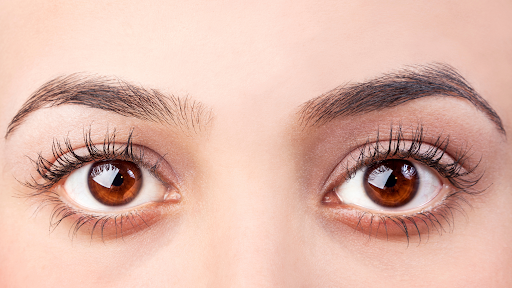
Bulging eyes are the symptom most people associate with thyroid eye disease, and it’s a fair place to start. Swelling behind the eye pushes the eyeball forward, giving a more prominent, sometimes wide-open appearance. Eyelid retraction often goes along with this. The upper eyelid sits higher than usual, exposing more of the white of the eye and creating that staring look some patients describe when they first notice something’s off.
Dryness and grittiness are common too, and they happen for a fairly mechanical reason. When the eyes bulge forward and the lids retract, blinking doesn’t cover the eye as fully or as often as it should, so the surface dries out faster. Double vision can also develop as the swollen muscles around the eye struggle to move both eyes together in sync.
None of these symptoms are subtle once you notice them, but they build gradually, which is part of why they’re so often mistaken for something else.
Why Does Thyroid Eye Disease Get Mistaken for Regular Dry Eye?
Gritty, irritated eyes are one of the most common complaints in any optometry office, and most of the time, it really is just regular dry eye. That overlap is exactly why thyroid eye disease can slip under the radar. A person tries artificial tears, gets some relief, and moves on without realizing the underlying cause is different.
A few things tend to set thyroid-related dryness apart. It often shows up alongside other changes, like the eyes looking more prominent or the eyelids sitting differently than they used to. Regular over-the-counter treatments may help less than expected, or the relief doesn’t last. If dry eye symptoms are persistent and standard treatment isn’t cutting it, especially alongside any changes to how the eyes look, that combination is worth mentioning to your optometrist directly.
Can an Eye Exam Detect Thyroid Disease Before a Diagnosis?
Sometimes, yes. Because thyroid eye disease can show up before a person has any formal thyroid diagnosis, a comprehensive eye exam is occasionally where the first signs get noticed. An optometrist examining the eyelids, eye position, and surface of the eye may pick up on retraction, bulging, or unusual dryness patterns that point toward a thyroid connection, even if the patient came in for something else entirely, like blurry vision or a routine checkup.
This is one of the reasons regular eye exams matter beyond just checking your glasses prescription. They’re also a chance to catch signs of conditions elsewhere in the body, thyroid disease included, that might not have symptoms obvious enough to prompt a doctor’s visit on their own.
What Happens After Thyroid Eye Disease Is Suspected?
If your optometrist suspects thyroid eye disease, the next step usually involves confirming the diagnosis and figuring out how active or severe the case is. This often means coordinating with both an ophthalmologist for the eye-specific side of things and an endocrinologist for the thyroid side, since the two conditions are directly connected.
At LMC, this coordination happens within LMC Healthcare’s own network. Referrals for both ophthalmology and endocrinology go to colleagues within the same healthcare group rather than out to unfamiliar specialists you’d need to find and book with separately. That doesn’t shortcut the diagnostic process or guarantee a faster resolution, but it does mean your eye care and thyroid care aren’t happening in two disconnected silos with no communication between them.
When Should You See an Eye Doctor About Thyroid Symptoms?
If you’ve already been diagnosed with a thyroid condition and you’re noticing any changes to your eyes, bulging, puffiness, dryness that isn’t responding to treatment, or double vision, it’s worth bringing up at your next eye exam rather than waiting. The same goes if you haven’t been diagnosed with a thyroid condition but you’ve noticed your eyes looking different lately, especially if family members have mentioned it too.
Our eye disease diagnosis and management service covers exactly this kind of assessment, looking beyond just your prescription to check for underlying conditions that show up in the eyes. And if dryness and grittiness are your main symptom right now, our dry eye therapy page walks through the treatment options available, whether your dry eye turns out to be thyroid-related or not.
Frequently Asked Questions
How does thyroid disease affect your eyes?
Thyroid disease, especially Graves’ disease and hyperthyroidism, can cause swelling in the tissue and muscles around the eyes. This leads to symptoms like bulging eyes, eyelid retraction, dry or gritty eyes, and sometimes double vision.
What are the first signs of thyroid eye disease?
Early signs often include eyes that appear more prominent or wide-open than usual, upper eyelids sitting higher, and dryness or grittiness that doesn’t fully respond to regular eye drops.
Can thyroid eye disease happen without a thyroid diagnosis?
Yes. Eye symptoms sometimes appear before a formal thyroid diagnosis is made, which is one reason a comprehensive eye exam can occasionally catch early signs before other symptoms prompt a doctor’s visit.
Is thyroid eye disease the same as regular dry eye?
No. Regular dry eye is very common on its own, but thyroid eye disease involves physical changes to the eyelids and eye position, along with dryness. If dryness isn’t responding to typical treatment and comes with other eye changes, it’s worth getting checked.
Does thyroid eye disease cause permanent vision loss?
Vision changes from thyroid eye disease vary widely from person to person, and treatment options exist depending on severity. An eye doctor can assess your specific case and coordinate care with an endocrinologist as needed.
Who treats thyroid eye disease?
Thyroid eye disease usually involves both an eye care provider and an endocrinologist working together, since it affects both the eyes and the underlying thyroid condition.
Ready to Get Your Eyes Checked?
If your eyes have been feeling gritty, looking different, or acting up in ways that don’t match typical dry eye, LMC Optometry & Eye Care can help you figure out what’s going on. Because we’re part of LMC Healthcare, any referrals to ophthalmology or endocrinology stay within our own network, so your eye care and your thyroid care aren’t happening in separate, disconnected places. Whether you’re near our Barrie, Thornhill, or Brampton locations or another Ontario clinic, book a comprehensive eye exam and let’s take a proper look.