


A teacher reads worksheets at arm’s length, then watches students across the room. A construction worker checks measurements up close, then looks at a roofline 20 feet away. A coder stares at the same screen for eight hours. Each person’s eyes do different work, yet traditional eye care treats everyone the same: test, prescribe, pick frames, and see you next year. The result? Headaches by 3 PM, glasses that slip during workouts, squinting despite having the “right” prescription, and eye strain that makes simple tasks exhausting.
Your eyes are shaped by genetics, influenced by environment, and used differently based on your job and activities. This post explains what goes into creating vision correction that fits your actual life – not just your prescription. You’ll learn how to address screen fatigue, foggy glasses during workouts, or trouble seeing street signs at night.
What Is Personalized Eye Care?
Personalized eye care means designing your vision correction around how you actually live your life. Instead of applying a standard formula to everyone with similar prescriptions, your optometrist considers your occupation, hobbies, environment, genetics, and daily visual demands to create solutions specific to you.
Think about two people with identical prescriptions: -2.00 nearsightedness. One’s a graphic designer spending 10 hours daily at multiple monitors. The other’s a landscaper working outdoors in varying light conditions. Should they get the same glasses? Not if we want them to see their best.
Personalized care recognizes these differences. It asks the necessary questions to fully understand your eye health:
- “What do you do all day?”
- “Where do you spend your time?”
- “What frustrates you about your current vision?”
- “What activities matter most to you?”
Then it’s possible to build your correction strategy around those answers.
What Does Personalized Eye Care Involve?
This isn’t just about frame selection. It’s a comprehensive process that considers multiple factors affecting your vision.
Understanding Your Lifestyle and Visual Demands
Your optometrist needs to know how you use your eyes. A truck driver needs excellent distance vision for highway driving. An accountant needs clear intermediate vision for screens and close-up vision for documents. A tennis player needs sharp vision to track fast-moving objects. Different work means different solutions.
At LMC Optometry & Eye Care, we ask detailed questions about your daily routine – not because we’re nosy, but because we can’t design the right solution without understanding how you actually use your eyes.
Considering Your Environment
Where you spend your time matters a lot. For example, someone in a brightly lit warehouse has different needs than someone in a dimly lit restaurant. Office workers need protection from fluorescent lights and screen glare. Outdoor workers need UV protection and polarization. Your home lighting, whether you read or watch TV at night, even street light streaming through your bedroom window – these details shape what lens coatings and designs work best for you.
Factoring in Genetics and Health History
Your family history plays a bigger role than most people realize. If your parents developed glaucoma, macular degeneration, or severe myopia, you’re at higher risk. Genetic factors also influence how your eyes focus, adjust to different distances, and respond to glare – affecting which solutions work best.
Health conditions matter too. Diabetes affects vision stability. Autoimmune conditions can cause dry eyes. Medications affect tear production or light sensitivity. We consider your whole health picture.
Comprehensive Eye Assessment
Modern eye exams go beyond “read the bottom line.” Advanced technology maps your cornea’s shape, measures how your eyes work together, assesses tear film quality, and checks for early disease signs. This reveals details that affect your options – maybe one eye is slightly more nearsighted, or minor astigmatism makes night driving difficult, or your eyes don’t track together perfectly, causing reading fatigue.
Lens and Frame Selection
Based on your assessment, you get specific recommendations. This might include:
- Progressive lens designs optimized for your typical working distances
- Blue light filtering for screen-heavy jobs
- Polarized lenses for outdoor activities or water sports
- Anti-reflective coatings for night driving
- Photochromic lenses that adapt to changing light conditions
- Specific tints that enhance contrast for your sport
- Frame styles engineered for your face shape and activities
The goal is matching your frames and lenses to your life, not making your life work around generic eyewear.
Custom Vision Solutions for Different Lifestyles
Let’s look at how this actually works for different people.
For Active Individuals and Athletes
Your glasses slip when you sweat, fog up during workouts, and sports goggles feel bulky. Solutions depend on your specific activity. Runners need lightweight, secure frames with ventilation. Cyclists need wrap-around protection and specialized tints for contrast. Swimmers benefit from prescription goggles with specific lens curves.
Contact lenses offer unrestricted peripheral vision. Daily disposables work for convenience. Ortho-K lenses – worn overnight – temporarily reshape your cornea for clear all-day vision without any eyewear during activities.
For Professionals and Screen Users
Your eyes feel gritty by mid-afternoon. Headaches start around 3 PM. You’re squinting at your screen despite new glasses.
This is digital eye strain. Your prescription might be perfect for distance vision, but not optimized for screen distances. Most monitors sit 20-26 inches away – closer than distance vision but farther than reading distance.
Solutions address your specific setup: monitor count, desk arrangement, and laptop versus desktop use. Computer glasses with anti-reflective coatings reduce screen glare. Blue light filtering helps with eye strain and sleep quality. Progressive lenses can be designed with wider intermediate zones for screen viewing. Some people need separate computer glasses rather than one pair for everything.
For Parents Managing Children’s Vision
Your kid’s prescription changed again – third pair this year. They refuse to wear glasses at school because “they look dorky.” Frames keep breaking during recess.
Children’s vision changes rapidly during growth spurts. Regular monitoring catches changes early. Frame selection matters – kids wear glasses that fit comfortably and don’t make them self-conscious. Durable frames handle rough play and save money. Some kids need sports-specific frames for activities and regular frames for school.
For children with progressing myopia, specialized contact lenses or Ortho-K lenses can slow the progression of nearsightedness.
For Fashion-Conscious Individuals
You want glasses that look good, not just function well. Your eyewear is part of your style, not just a medical device.
Your glasses are on your face all day – they should reflect your personality. Frame selection considers your face shape, skin tone, and personal style. Lens options balance looks with performance – thinner lenses look better, certain coatings are invisible, frame colors enhance or downplay features.
Many people want different looks for different occasions – professional frames for work, trendy frames for weekends, sporty frames for activities.
How Occupation Shapes Your Vision Needs
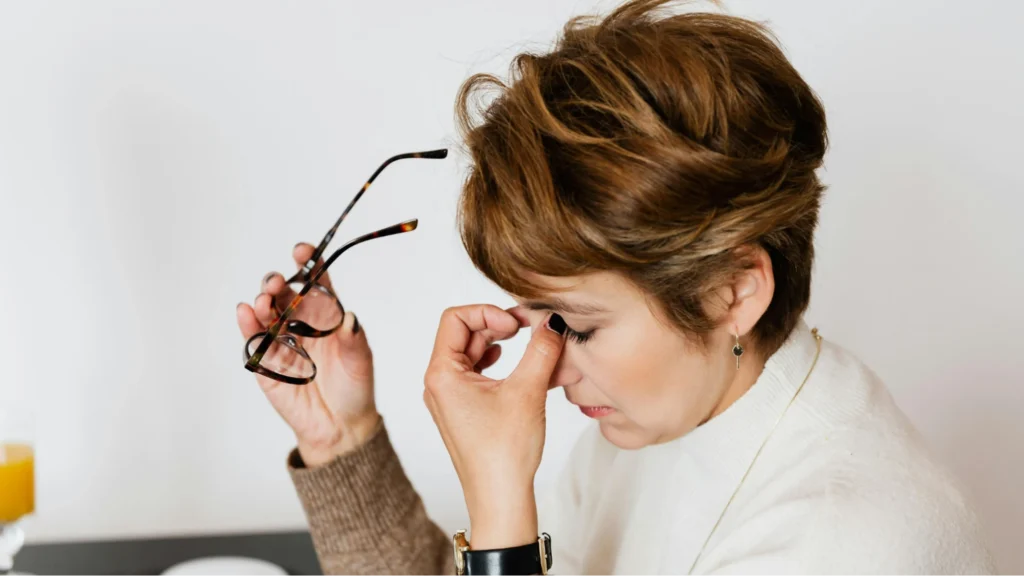
Your job influences your vision more than you realize. Let’s look at specific occupations and their unique demands.
Office Workers and Digital Professionals
Staring at screens for 8+ hours daily isn’t what human eyes evolved to do. Your eyes work constantly to maintain focus at intermediate distances, barely blinking, often in poor lighting with glare from multiple sources.
Computer Vision Syndrome is real. Symptoms include eye strain, headaches, blurred vision, dry eyes, and neck/shoulder pain from poor posture while trying to see clearly.
Personalized solutions address your specific workspace. Lens designs optimized for your screen distances, anti-reflective coatings to reduce glare, proper prescription for intermediate vision, and blue light filtering can all help. Sometimes the solution is as simple as adjusting your monitor height or improving lighting.
Drivers and Transport Workers
Seeing clearly at all distances while driving is critical for safety. You need sharp distance vision for road signs and traffic, intermediate vision for your dashboard, and the ability to quickly adjust focus from near to far.
Night driving adds complexity. Oncoming headlights, street lights, and reduced contrast – all make driving after dark challenging, especially as you age.
Personalized care for drivers might include anti-reflective coatings that reduce glare from headlights, specific lens designs that minimize distortion in peripheral vision, and ensuring your prescription is optimized for the distances that matter most while driving.
Healthcare Workers and Detailed Task Jobs
Dentists, surgeons, jewelers, watchmakers, beauticians – jobs requiring close-up precision work place intense demands on your eyes. You’re focusing on close distances for extended periods, often with magnification, in specific lighting conditions.
These occupations often need specialized solutions. Some professionals use loupes (wearable magnifiers) with custom prescriptions. Others require specific lens designs that provide extra magnification for close work while still allowing normal vision when looking up.
Outdoor Workers and Trades
Construction workers, landscapers, utility workers – outdoor jobs mean variable lighting, UV exposure, dust, and impact hazards. Your vision correction needs to protect as well as correct.
Safety glasses with prescription lenses, impact-resistant materials, UV protection, and polarization to reduce glare from reflective surfaces all matter. Frame durability is crucial – they need to withstand rough conditions and frequent wear.
Vision Correction That Actually Fits Your Life
One-size-fits-all vision correction is outdated. Your eyes are unique. Your life is unique. Your vision correction should be too.
This means more than just picking frames you like. It’s about understanding how you use your eyes every day, what challenges you face, and what solutions will actually improve your life – not just your visual acuity chart results.
Whether you’re dealing with screen fatigue, struggling to see while playing sports, managing age-related changes, or just want glasses that work better for how you actually live, the right approach makes a difference.
Ready to explore vision correction designed around your life?
Common Questions About Custom Vision Solutions
What’s the difference between personalized eye care and regular eye care?
Regular eye care typically tests your vision and provides a standard prescription based on your visual acuity. This approach goes further by considering your occupation, hobbies, environment, genetics, and daily activities to create solutions specific to how you use your eyes. It’s the difference between a prescription that makes you see clearly and a complete vision solution that works with how you live.
How does my job affect what glasses I need?
Your occupation determines how you use your eyes throughout the day. Office workers need lenses optimized for screen distances with blue light filtering. Outdoor workers need UV protection and impact resistance. Drivers need excellent distance vision and anti-glare coatings. Healthcare workers doing detailed tasks might need special magnification. Personalized care matches your eyewear to your job’s specific visual demands.
Can this approach help with digital eye strain?
Yes. Digital eye strain often comes from using standard distance prescriptions for intermediate screen distances. This addresses your specific workspace – monitor distances, lighting conditions, and how long you work on screens daily. Solutions might include computer-specific glasses, blue light filtering, anti-reflective coatings, or progressive lenses designed with wider zones for screen work.
Does genetics really affect my vision correction options?
Genetics influences your risk for eye conditions like glaucoma, macular degeneration, and high myopia. Family history helps your optometrist know what to watch for and can influence preventive strategies. Genetics also affects how your eyes focus, adjust to distances, and respond to glare – factors that help determine which correction options work best for you.
Does this cost more?
It depends on the solutions recommended. Some options, like specialized coatings or progressive lenses, may cost more than basic single-vision lenses. However, getting the right solution the first time often saves money by preventing issues, reducing the need for multiple pairs of glasses, and extending how long your prescription works well for you.
Can kids benefit from personalized eye care?
Absolutely. Children’s vision changes rapidly, and regular monitoring helps catch changes early. Solutions for kids’ specific needs – school work, sports, durability requirements – mean they’re more likely to wear their glasses consistently. For children with progressing myopia, specialized strategies can help slow the progression.
What should I bring to an eye appointment?
Bring your current glasses and contact lenses if you wear them. List any medications you take and any family history of eye conditions. Think about your daily routine – what activities you do, where you have vision problems, and what frustrates you about your current eyewear. The more information you share, the better your optometrist can help.
How do I know if I need different glasses for different activities?
If you find yourself struggling to see clearly during specific activities despite having the right prescription, you might benefit from activity-specific eyewear. Signs include taking off glasses to read, squinting at screens despite wearing glasses, difficulty with sports while wearing regular glasses, or eye strain during certain tasks. Discuss these challenges with your optometrist.
Can this help with night driving problems?
Yes. Night driving difficulties can come from several factors – pupil size, glare sensitivity, and minor prescription issues that become noticeable in low light. This approach addresses your specific challenges, which might include anti-reflective coatings to reduce headlight glare, ensuring your prescription is optimized for distance vision, or addressing underlying issues like astigmatism that affect night vision.
Ready for Vision Correction Designed Around Your Life?
Stop settling for vision correction that’s just “good enough.” Whether you’re dealing with work-related eye strain, struggling during sports, or just want glasses that actually fit how you live, the right approach makes a real difference.
Schedule your comprehensive eye exam at LMC Optometry & Eye Care and:
- Get solutions tailored to your occupation and hobbies
- Discover how vision correction improves daily comfort
- Receive expert guidance on the best options for your unique needs
- Experience the difference truly custom eye care makes
Contact LMC Optometry & Eye Care today to book your appointment, and let’s create a vision solution that works for your life.