
You wake up, and your eyelids are stuck together. There’s crust along your lash line, a burning itch you can’t shake, and your eyes look red before you’ve even had your morning coffee. Sound familiar?
If you’ve been dealing with this for weeks or even years, you’re not alone. Millions of people live with blepharitis, a common eyelid condition that often gets dismissed as “just dry eyes” or chalked up to too much screen time. But there’s actually a lot more going on, and the good news is that it’s very manageable once you know what you’re dealing with.
In this post, we’re breaking down exactly what blepharitis is, what causes it, the symptoms to watch for, and what actually works when it comes to treatment. Whether you’re a contact lens wearer, someone who wears makeup daily, or just someone whose eyes have been persistently irritated, this one’s for you.
What Is Blepharitis?
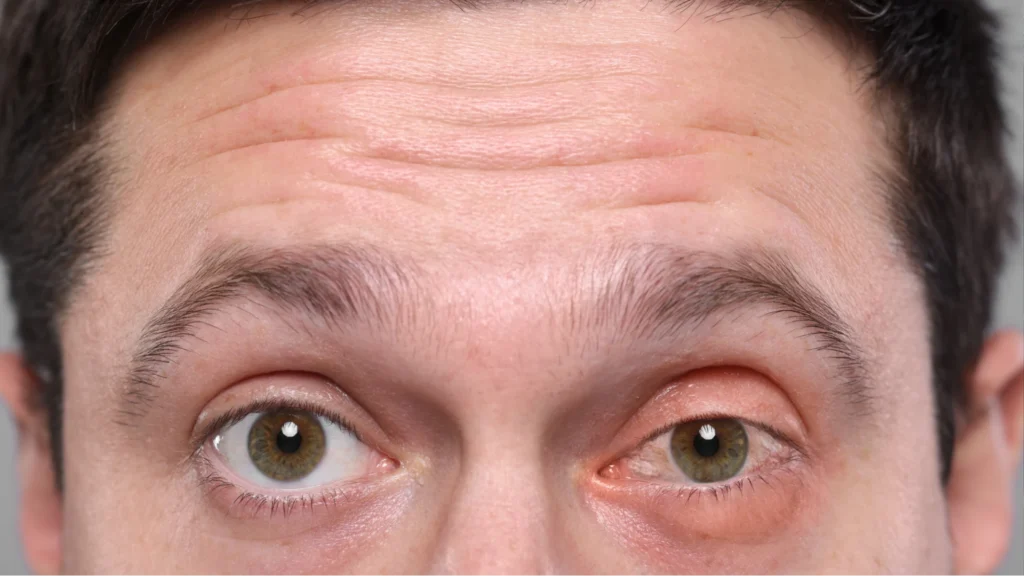
Blepharitis is inflammation of the eyelids, specifically along the eyelid edges where your lashes grow. It’s characterized by redness, thickening, and flaky or scaly crusting along the eyelids and eyelashes, and is sometimes called “eye dandruff.”
There are two main types:
- Anterior blepharitis, which affects the outer edge of your eyelid, right where your lashes attach.
- Posterior blepharitis, which affects the inner edge of the eyelid, the part that actually touches your eye, and involves the meibomian glands, which are responsible for producing the oily layer of your tears.
You can have both types at the same time, and the condition can be difficult to treat long-term. That said, it’s not something you just have to live with. At LMC Optometry & Eye Care, we see patients with chronic blepharitis regularly, and with the right care, most people get significant relief.
What Causes Blepharitis?
There’s no single cause, which is part of why it can be tricky to pin down. Most of the time, blepharitis happens because there’s too much bacteria on your eyelids at the base of your eyelashes. Having some bacteria on your skin is completely normal, but too much can cause real problems.
Here’s a breakdown of the most common causes:
- Bacterial overgrowth (Staphylococcal blepharitis): One type of anterior blepharitis is caused by bacteria that are naturally present on the skin of your face and eyelids, but in some people, those bacteria accumulate in excess and trigger inflammation.
- Seborrheic blepharitis: Anterior blepharitis can also result from dandruff on your scalp or eyebrows. If you have flaky skin or seborrheic dermatitis, it can easily spread to your eyelids.
- Meibomian gland dysfunction (MGD): Posterior blepharitis happens when the oil glands in your eyelids get clogged. Common skin conditions like rosacea and scalp dandruff can contribute to this. When those glands aren’t working properly, your tear film breaks down, which is why blepharitis and dry eye so often go hand in hand.
- Demodex mites: Sometimes blepharitis results from an overpopulation of microscopic mites known as Demodex, which live inside the eyelash follicles. This is more common than people realize.
Certain factors also raise your risk. You may be more prone to blepharitis if you wear contact lenses, have oily skin, don’t remove makeup thoroughly, work or live in dry environments (including air-conditioned offices), or are going through hormonal changes like menopause.
Symptoms of Blepharitis to Watch For
Symptoms are usually worst first thing in the morning. They can include swollen eyelids, changes in eyelid colour, itching or irritation, flaking skin around the eyes, greasy-looking eyelids, crusty eyelashes, eyelids sticking together, foamy-looking tears, watery eyes, a gritty or burning sensation, increased blinking, light sensitivity, and blurred vision that clears when you blink.
Not everyone gets all of these. Some people mainly deal with the morning crust and occasional redness. Others have persistent burning eyes that make it hard to wear contacts or sit in front of a screen for long periods. If you wear eye makeup, you might notice that mascara buildup or eye shadow is making things worse. That’s actually very common, and we’ll get to that.
The tricky part? Blepharitis is often a chronic, long-lasting condition that’s difficult to cure permanently. So if your symptoms keep coming back, that doesn’t mean treatment isn’t working. It means it’s a condition that needs ongoing management, not a one-time fix.
How Is Blepharitis Treated?
The honest answer: blepharitis usually doesn’t go away completely, but you can take steps to manage your symptoms very effectively. Here’s what actually works.
Daily Eyelid Hygiene: The Foundation of Treatment
This is the single most important thing you can do. Wet a clean washcloth with warm water, wring it out, and place it over your closed eyes for at least one minute. This loosens crusts and helps unplug oil glands.
After the warm compress, gently scrub your lash line. Use baby shampoo diluted in warm water to gently scrub the eyelids and eyelashes daily when crusting is present. You can also use commercially available lid scrub wipes. Just ask your optometrist which ones they recommend.
Do this twice a day during flare-ups, and once a day to maintain things when your eyes are feeling better.
Warm Compresses for Meibomian Gland Dysfunction
If your blepharitis is linked to MGD, warm compresses are especially helpful. They help the oil flow from the glands and relieve inflammation, easing both itching and burning. Hold the compress on your closed lids for five minutes, reheat as needed, and follow up with a gentle lid massage.
Medications When Hygiene Isn’t Enough
Sometimes, a daily cleaning routine alone doesn’t cut it. Your eye doctor may prescribe steroid eye drops to control redness, swelling, and irritation, or recommend artificial tears for dry eye symptoms that often accompany blepharitis.
If bacteria are the primary cause, antibiotic eye drops, ointments, or pills may be prescribed. For cases involving Demodex mites, there are now FDA-approved medicated drops that specifically target and eliminate mites on the eyelashes.
Dry eye is often treated at the same time as blepharitis, with preservative-free artificial tears typically recommended several times a day.
Lifestyle and Dietary Changes
Doctors often recommend dietary and lifestyle changes, including omega-3 fatty acid supplementation, which has anti-inflammatory potential and may help the oil glands in the eyelids work better. You can get omega-3s from fatty fish like salmon or through fish oil supplements. Check with your doctor before starting any new supplement.
A Note for Makeup Wearers
If you wear eye makeup and you’re dealing with blepharitis, you don’t necessarily have to stop. But your routine needs to be tight. Make sure you thoroughly remove your makeup every night and clean your lids with a baby shampoo and water cleanse. Old mascara and liner buildup along the lash line can make symptoms significantly worse. Consider switching to hypoallergenic, fragrance-free products and replacing mascara more frequently than you normally would.
When to See an Optometrist
If your eyelids have been red, crusty, or irritated for more than a few weeks, or if home care isn’t making a dent, it’s worth getting a proper eye exam. At LMC Optometry & Eye Care, we can identify the specific type of blepharitis you have, rule out other conditions like dry eye disease or rosacea, and create a management plan that actually fits your lifestyle.
Over time, a sticky plaque or biofilm can form along the lids, causing lash loss, clogged glands, infections, and other complications, so the sooner you address it, the better.
Frequently Asked Questions About Blepharitis
What is blepharitis, and is it serious?
Blepharitis is inflammation of the eyelids, usually affecting the eyelid edges and lash line. It’s rarely serious in the long-term sense. It doesn’t typically cause permanent vision loss, but it can be very uncomfortable and should be treated to avoid complications like styes, chalazia, or corneal irritation.
Can blepharitis go away on its own?
Mild, acute cases can improve on their own, but chronic blepharitis doesn’t fully resolve without consistent management. Most people need an ongoing eyelid hygiene routine to keep symptoms under control.
What’s the fastest way to treat blepharitis at home?
Warm compresses followed by gentle lid scrubs are the fastest and most effective home treatment. Use a warm, damp washcloth on closed eyes for five minutes, then clean your lash line with diluted baby shampoo or a pre-made lid scrub.
Is blepharitis caused by poor hygiene?
Not entirely. While hygiene plays a role, blepharitis can affect people with naturally oily skin, dandruff, rosacea, or simply a higher bacterial or mite concentration on their skin. It’s not a reflection of how clean you are overall.
Can I wear contact lenses if I have blepharitis?
It’s best to take a break from contacts during active flare-ups. Contact lens wear can increase irritation and slow down recovery. Talk to your optometrist about when it’s safe to resume and whether daily disposable lenses might be a better option for you in the long term.
How do I know if it’s blepharitis or dry eye?
The two conditions often occur together and share similar symptoms, which is why many people get confused. Blepharitis typically involves visible changes along the eyelid edge (redness, crust, scaling), while dry eye is more about tear quality and quantity. An optometrist can distinguish between them and treat both if needed.
Can makeup cause or worsen blepharitis?
Yes. Makeup, especially mascara and eyeliner applied close to the lash line, can contribute to blepharitis by introducing bacteria and clogging oil glands. Incomplete makeup removal is a common trigger. Switching to hypoallergenic products and thorough nightly cleansing can make a noticeable difference.
Does blepharitis ever get cured permanently?
Unfortunately, chronic blepharitis doesn’t have a permanent cure, but symptoms can be well-controlled with daily eyelid hygiene and occasional medical treatment. Most people find that consistent routines dramatically reduce flare-ups over time.
Take Control of Your Eyelid Health
Blepharitis can feel frustrating, especially when symptoms keep returning or when it’s been brushed off as just irritated eyes. But it’s a well-understood condition with effective management strategies, and you don’t have to figure it out on your own.
If you’re in Ontario and ready to get some answers, book an eye exam with LMC Optometry & Eye Care. Our team will take a close look at what’s going on and help you put together a plan that actually works. Your eyelids will thank you.