
That painful, red bump on your eyelid showed up out of nowhere, and now it’s all you can think about. You’re touching it constantly, worrying it might be serious, wondering how long you’ll have to live with the discomfort. If you’re a parent, you’re probably also stressed about whether it’s contagious or if your child needs antibiotics. If you’re an adult dealing with repeated styes, you might be frustrated that this keeps happening and want to know what’s actually going on.
You’re not alone. Styes are one of the most common eyelid problems we see at LMC Optometry & Eye Care, and they affect people of all ages. The good news? Most styes resolve on their own with simple home care, and understanding what causes them puts you in control of preventing future ones.
In this guide, we’ll walk you through everything you need to know: what a stye actually is, why it forms, how to treat it safely at home, and most importantly, how to stop them from coming back. By the end, you’ll have the knowledge and confidence to handle a stye without unnecessary worry.
What Is a Stye?
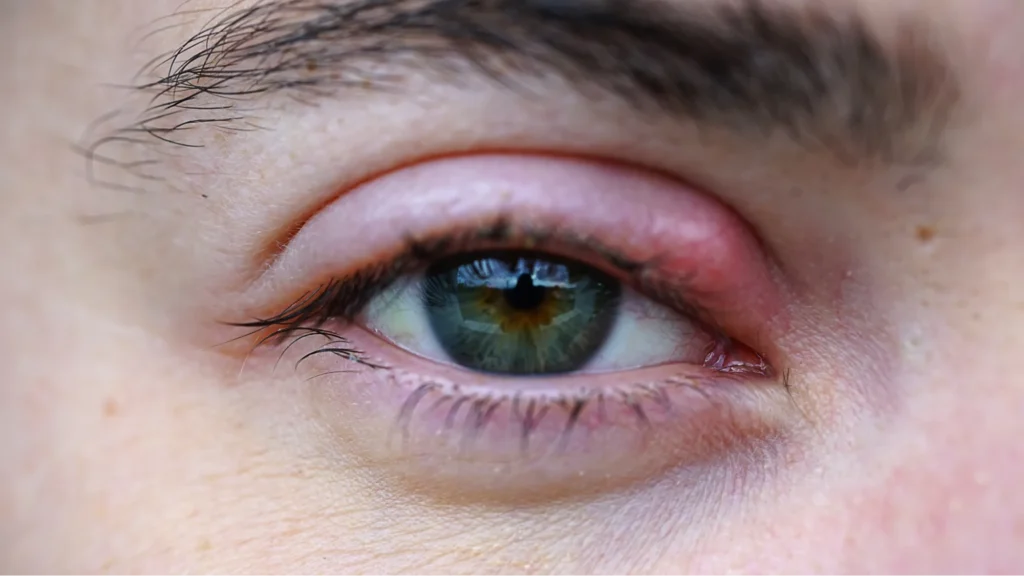
A stye is a small, painful infection on or inside your eyelid. Think of it as a tiny pimple, but on your eye area. It usually appears as a red, swollen bump that feels tender to the touch. The medical term is a hordeolum, but everyone just calls it a stye.
There are actually two types. An external stye forms on the outside of your eyelid where your eyelashes grow. It’s the more common kind and usually the most visible. An internal stye develops inside your eyelid, which means you can’t see it from the outside, but you’ll definitely feel it when you blink.
The infection typically contains pus and dead white blood cells as your body fights off the bacteria. This is why the area becomes red, swollen, and tender. While it looks uncomfortable (and it is), it’s usually not dangerous to your eyesight itself.
What Causes Styes to Form
Styes develop when bacteria, most commonly Staphylococcus aureus, get trapped in oil glands or hair follicles around your eyelid. Your eyelid has dozens of tiny glands and follicles, and when they become blocked or irritated, bacteria can multiply inside and cause an infection.
Several things make styes more likely to happen. Poor eyelid hygiene is a big one. If you’re not regularly cleaning your eyelids, bacteria build up and clog those tiny glands. Touching your eyes with unwashed hands introduces bacteria directly to the area. Wearing old or contaminated eye makeup, especially eyeliner and mascara, can also introduce bacteria. The same goes for reusing or sharing eye makeup brushes, which happens more often than you’d think.
Contact lens wearers sometimes develop styes because they’re handling their lenses throughout the day, and if their hands aren’t clean or their lenses aren’t properly disinfected, bacteria can spread. Sleeping with your contacts in also increases your risk because it reduces oxygen to your eyes and creates an environment where bacteria thrive.
For kids and teens, the problem often comes down to constant eye rubbing. Children touch their eyes dozens of times a day with whatever’s on their hands, from playground dirt to whatever they’ve been touching at school. This is why styes are so common in kids during cold and flu season, when hands are constantly touching faces.
Some people are simply more prone to styes. If you have chronic eyelid inflammation (a condition called blepharitis), oily skin, or certain skin conditions like rosacea, your risk goes up. Stress and lack of sleep can also lower your immune system’s ability to fight off infections, making styes more likely.
Recognizing Stye Symptoms
Most styes announce themselves pretty clearly. You’ll notice redness and swelling on your eyelid, usually concentrated in one small area. The bump feels tender when you touch it, and it might itch or feel slightly warm.
As the stye develops, it often forms a white or yellowish head, similar to a pimple. You might also experience mild discomfort when blinking or find that your eyes water more than usual. Some people describe a feeling of grittiness or like something’s in their eye, even though there isn’t anything visible.
Internal styes can be trickier to identify. You won’t see an external bump, but you’ll feel pain or discomfort when you blink. Your eyelid might be slightly swollen, and you might see some redness on the inside of your lid if you pull it down.
How to Treat a Stye at Home
Here’s the reassuring part: most styes go away on their own within one to two weeks with basic home care. You don’t need prescription medication or a doctor’s visit for most cases.
- Warm compresses are your best friend: Apply a clean, warm (not hot) washcloth directly to the stye for 10 to 15 minutes, several times a day. The warmth helps improve blood circulation to the area, reduces pain, and encourages the stye to drain naturally. Make sure the washcloth is clean each time, and don’t reuse it without washing. Warmth also helps soften the area around the infection, which speeds up healing.
- Keep your hands off it: I know it’s tempting to squeeze or pick at the stye, but resist that urge. Touching it introduces more bacteria and can make the infection worse or cause it to spread. If you do touch the area, wash your hands immediately afterward.
- Maintain good eyelid hygiene: Gently clean your eyelids twice a day using a clean washcloth and lukewarm water. Some people benefit from using a mild baby shampoo diluted in water on a clean cloth, gently wiping the eyelid. This removes bacteria and debris without being harsh.
- Avoid makeup and contact lenses temporarily: If you wear makeup, skip it while the stye is healing. Makeup products can introduce additional bacteria or irritate the area further. Similarly, take a break from contacts and wear glasses instead. Contacts can trap bacteria against your eye and slow healing.
- Don’t try to pop it: Even though it looks like a whitehead you could squeeze, don’t do it. Squeezing can spread the infection deeper into the tissue and cause complications. Let it drain naturally once it’s ready.
- Over-the-counter eye drops: they are designed to soothe tired eyes and might provide some comfort, but they won’t cure the stye itself. If you want to use eye drops, choose ones specifically for eye irritation and follow the package directions.
When to See an Eye Doctor
Most styes resolve without professional treatment, but certain situations warrant a visit to an eye care professional. If your stye shows no improvement after a week of home treatment, or if it’s getting worse despite your efforts, it’s time to see someone. An eye doctor can assess whether you need prescription antibiotic ointment or eye drops, or in rare cases, antibiotics to take by mouth.
Seek care immediately if the redness and swelling spread beyond the immediate stye area, if your vision is affected, or if you develop fever or chills alongside the stye. These could be signs that the infection is spreading beyond the eyelid. Similarly, if the stye is so large or in such a position that it’s affecting your vision or causing severe pain, professional care can help.
Internal styes sometimes need professional drainage if they’re large and not improving on their own. An eye doctor at LMC Optometry & Eye Care can safely perform this procedure, reducing your discomfort and speeding healing.
Stye vs. Chalazion: Know the Difference
People often confuse styes with chalazions, but they’re different conditions. A chalazion is a blocked oil gland that’s not infected. It appears as a painless bump on your eyelid that develops slowly over time. A stye, on the other hand, develops quickly, is painful or tender, and is caused by a bacterial infection.
The good news is that both respond well to warm compresses. If a bump on your eyelid isn’t painful and has been there for weeks without changing much, it’s likely a chalazion. If it’s red, tender, and developed over a few days, you’re probably dealing with a stye.
How to Prevent Styes
Once you’ve dealt with a stye, you’ll want to make sure it doesn’t happen again. Prevention is much easier than treatment.
- Practice good eyelid hygiene: Wash your eyelids gently every day with clean water. If you have blepharitis or notice frequent styes, twice-daily cleansing becomes even more important. Use a clean washcloth or disposable cleaning pad each time.
- Wash your hands before touching your eyes: This is simple but crucial, especially for kids. Make hand washing a habit, and teach children to resist rubbing their eyes unless they’ve just washed their hands.
- Replace eye makeup regularly: Mascara and eyeliner should be replaced every three months. The longer you keep them, the more bacteria they accumulate. Never share makeup with others, and never borrow someone else’s makeup applicators. Store eye makeup in a clean, dry place, and throw it away immediately if you develop an eye infection.
- Keep contact lenses clean: Follow your eye care provider’s instructions exactly. Use fresh solution every day (never reuse old solution), clean your lens case regularly, and don’t sleep in lenses unless they’re specifically approved for overnight wear. Wash your hands before handling your contacts.
- Avoid touching your eyes unnecessarily: The fewer times bacteria have a chance to reach your eye, the lower your risk of styes. This is especially important to emphasize with kids.
- Get enough sleep and manage stress: Your immune system fights infections better when you’re well-rested and not stressed. Prioritizing sleep is an investment in your eye health.
- If you have chronic eyelid inflammation, work with an eye care professional on a management plan. Conditions like blepharitis make styes more likely, so addressing the underlying issue reduces your risk significantly.
FAQ: Answering Your Stye Questions
Are styes contagious?
Not directly. You can’t catch a stye from someone else the way you catch a cold. However, the bacteria that cause styes can spread if you share towels, makeup, or contact lens solutions. The infection itself stays localized to one person’s eyelid.
How long does a stye typically last?
Most styes clear up within 7 to 14 days with home care. Some resolve faster, others take a couple of weeks. If it persists beyond two weeks or gets worse, see an eye doctor.
Can a stye damage my vision?
In most cases, no. A stye affects the eyelid, not the eye itself. However, a very large internal sty could theoretically put pressure on the eye and affect vision temporarily. This is rare and usually resolves once the infection clears.
Can I wear contacts with a stye?
It’s best to avoid wearing contacts until the stye heals. Contacts can trap bacteria and slow healing. Switch to glasses for a week or two to give your eye the best chance to recover.
What should I do if a stye keeps coming back?
Recurrent styes suggest an underlying issue like blepharitis, poor hygiene habits, or a compromised immune system. At LMC Optometry & Eye Care, we can help identify the cause and create a prevention plan tailored to your specific situation. Schedule an appointment to discuss your concerns.
Should I pop the stye when it comes to a head?
No. While it’s tempting, squeezing spreads bacteria deeper into the tissue and can lead to complications. Let it drain naturally or have a professional handle it if necessary.
Can I use makeup while I have a stye?
Avoid makeup around the affected eye while it’s healing. Makeup can introduce bacteria or irritate the area further. Once the stye fully heals, replace any eye makeup you used just before developing the stye, as it may still contain bacteria.
Take Control of Your Eye Health Today
Dealing with a stye is uncomfortable and frustrating, but you don’t have to figure it out alone. If your stye isn’t improving with home care after a week, or if you’re struggling with recurrent styes, the team at LMC Optometry & Eye Care is here to help. We can assess your situation, provide professional treatment if needed, and work with you to prevent future infections.
Whether you’re in Barrie, Thornhill, Brampton, or elsewhere in Ontario, we’re ready to support your eye health. Schedule your appointment today and let’s get you back to comfortable, healthy eyes.