
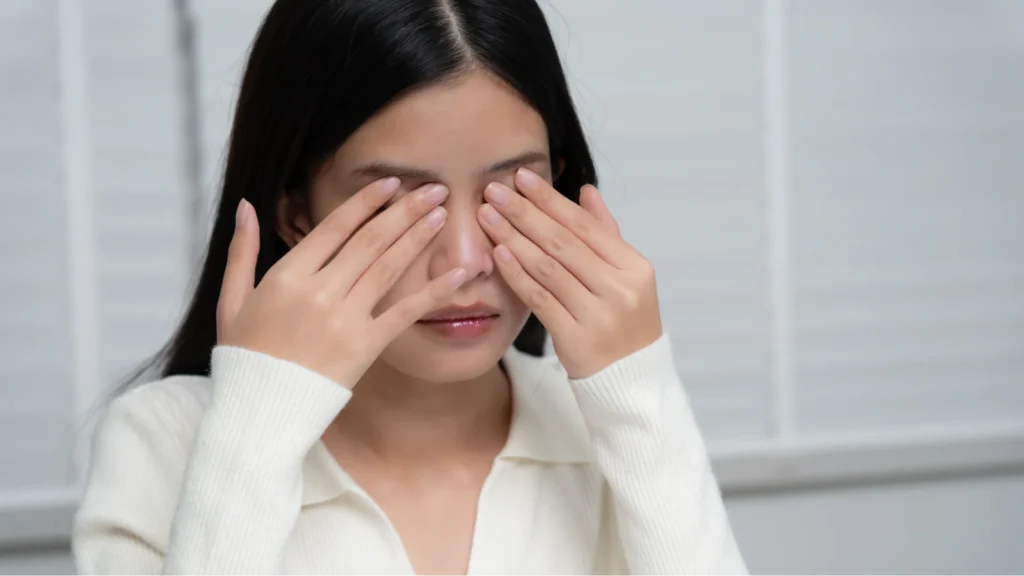
That itchy feeling hits, and your first instinct is to rub your eyes. It’s automatic, immediate, and honestly, it feels amazing for about two seconds. But here’s the thing: rubbing your eyes is one of those habits that seems harmless but can quietly cause real damage to your vision over time.
If you’re a parent watching your kid rub their eyes constantly due to allergies or screen time, or if you’re dealing with dry eyes and seasonal allergies yourself, you’re probably wondering: Is rubbing your eyes actually that bad? The short answer is yes. The longer answer is more nuanced, but understanding the real risks will help you protect your eyes and break this habit for good.
At LMC Optometry & Eye Care, we see the consequences of chronic eye rubbing in our patients regularly. In this post, we’ll walk you through what happens when you rub your eyes, why it’s risky, and most importantly, the practical alternatives that actually work. By the end, you’ll know exactly how to find relief without putting your vision at risk.
Why We Rub Our Eyes (And It’s Not Just About Itching)
Before we talk about the damage, let’s understand why we do it. Eye rubbing typically happens for a few key reasons:
- Allergies are the biggest culprit: Pollen, pet dander, dust mites, and other allergens trigger histamine release in your eyes, creating that maddening itch. Seasonal changes in Ontario, especially spring and fall, can make this worse.
- Dry eyes drive a lot of rubbing too: Whether it’s from screen time, heating in winter, or contact lenses, dry eyes send your brain a signal: something’s wrong, rub it. Your eyes respond by watering temporarily, which feels like relief.
- Tiredness makes it worse: When you’re exhausted, your eyes get irritated more easily, and you’re more likely to rub them without thinking.
- Screen fatigue is a modern culprit: After hours staring at phones, laptops, or tablets, your eyes get tired and irritated. The rubbing follows naturally, but it’s doing damage while you’re trying to feel better.
The real problem? Rubbing feels so good in that immediate moment that we don’t think about what’s happening underneath.
What Actually Happens When You Rub Your Eyes
When you press your fingers into your eyes and rub, you’re applying significant pressure to delicate tissues. Your cornea, the clear front layer of your eye, is incredibly sensitive and surprisingly fragile.
Here’s what happens on a microscopic level: rubbing causes friction that can scratch the corneal surface. You might not feel this happening, but these tiny scratches accumulate. Over months and years of frequent rubbing, this repeated trauma starts to add up.
The pressure from rubbing also affects your intraocular pressure, the fluid pressure inside your eye. For people with certain eye conditions, this pressure spike can be problematic. Additionally, rubbing can shift your eyelashes inward, which irritates the eye further and creates a cycle: rub, irritate, rub more.
The Dangers of Rubbing Your Eyes
Keratoconus: The Most Serious Risk
One of the most significant concerns with chronic eye rubbing is keratoconus. This condition causes your cornea to gradually thin and cone outward. Early stages might not cause noticeable symptoms, but as it progresses, keratoconus creates blurred or distorted vision and can eventually require corneal transplantation. Research consistently shows a strong link between frequent eye rubbing and keratoconus development, particularly in younger people.
The scary part? Many people don’t realize they have keratoconus until the damage is significant. If you’ve got a habit of rubbing your eyes, especially hard rubbing, this is the reason to stop.
Corneal Damage and Scarring
Beyond keratoconus, repeated rubbing creates microscopic scratches and abrasions on your cornea. These tiny injuries can lead to corneal scarring, which affects how light enters your eye and can blur or distort your vision permanently. The damage might seem minor at first, but it compounds over time.
Dark Circles and Puffiness
Rubbing also damages blood vessels around your eyes. This leads to bruising and inflammation that creates those stubborn dark circles under your eyes. The more you rub, the more pronounced they become. If you’re dealing with persistent dark circles that seem to get worse despite good sleep, chronic eye rubbing might be the culprit.
Increased Infection Risk
Every time you rub your eyes, you’re introducing bacteria and germs from your hands directly into one of the most sensitive areas of your body. This increases your risk of eye infections like conjunctivitis (pink eye) and other complications. Contact lens wearers face an even higher risk. Rubbing while wearing contacts can trap bacteria under the lens.
Allergic Reactions Get Worse
Rubbing actually makes allergic reactions worse. When you rub, you’re releasing more histamine from mast cells in your eye tissue. This creates more itching, which triggers more rubbing. A vicious cycle intensifies your symptoms rather than relieving them.
Inflammation and Irritation
Chronic rubbing keeps your eyes in a state of inflammation. Your eyes stay red, irritated, and uncomfortable. This isn’t just uncomfortable; chronic inflammation can contribute to dry eye syndrome and make existing eye conditions worse.
Who’s Most at Risk?

Babies and Young Children
Kids rub their eyes constantly, whether they’re tired, dealing with allergies, or feeling frustrated. The problem is that their eyes are still developing. Early and frequent rubbing can increase the risk of keratoconus and other corneal problems during the critical years when their vision is forming. If your child is a chronic eye rubber, this is worth addressing now rather than waiting.
Contact Lens Wearers
If you wear contacts, eye rubbing becomes significantly more dangerous. Rubbing can dislodge your lens, scratch your cornea while the lens is in place, introduce bacteria under the lens, and cause infection. Contact lens wearers should be especially vigilant about breaking this habit.
People With Allergies
Those battling seasonal or year-round allergies are particularly tempted to rub because the itch is so intense. But for these folks, breaking the rubbing habit is especially important because the itching will return unless they address the underlying allergy.
Adults With Dry Eyes
If you’re dealing with dry eye syndrome, rubbing seems like a solution, but it’s actually making things worse. The temporary relief you feel doesn’t address the real problem. The rubbing creates inflammation that worsens dryness long-term.
Safe Ways to Relieve Itchy Eyes
Now that you know why rubbing is dangerous, let’s talk about what actually works.
Cold Compress
A cold compress is your best friend. Wet a clean cloth with cool (not freezing) water and hold it gently against your closed eyes for 10-15 minutes. The cold reduces inflammation, constricts blood vessels to decrease itching, and feels soothing without any damage. Do this when you first feel the urge to rub.
Artificial Tears
Over-the-counter artificial tears provide moisture and wash away irritants. Unlike rubbing, which worsens the problem, eye drops actually address the irritation. Use preservative-free drops if you’re applying them frequently throughout the day.
Allergy Eye Drops
If allergies are your main trigger, antihistamine eye drops work well. These reduce the histamine response that causes itching in the first place, which means less urge to rub. Talk to an optometrist about which ones work best for your specific allergies.
Avoid Triggers
Prevention is huge. If pollen bothers you, wear sunglasses outside. If screens make your eyes dry, take regular breaks using the 20-20-20 rule: every 20 minutes, look at something 20 feet away for 20 seconds. If your home is dry, use a humidifier.
Gentle Eyelid Massage
Instead of rubbing your entire eye, try a gentle massage on your closed eyelids. Use your ring finger (the weakest) and apply minimal pressure in small circles around your eye area. This provides some relief without traumatizing your cornea.
Address the Root Cause
The best solution is figuring out why your eyes are irritated in the first place. Dry eyes? You might need better hydration, a humidifier, or specific dry eye treatments. Allergies? Allergy management might involve medication or environmental changes. Tired eyes? Better sleep and screen habits help. Addressing the underlying cause eliminates the urge to rub.
Breaking the Habit: Practical Strategies
Knowing rubbing is bad and actually stopping are two different things. Here are strategies that actually work:
- Make it inconvenient to rub: Wear sunglasses to remind yourself not to touch your eyes. If you’re at home, keep your hands occupied. Hold something, sit on your hands, or wear gloves.
- Replace the habit: When you feel the urge, immediately reach for a cold compress or apply eye drops instead. Your brain needs a replacement action.
- Identify your triggers: Notice when you rub most. Is it afternoons at your desk? During allergy season? After screen time? Once you know your patterns, you can be proactive.
- For kids, you can make it a game. Reward them for not rubbing. Use stickers or a chart. Explain in kid-friendly terms why rubbing hurts their eyes. Sometimes, just giving them a cold cloth to hold when their eyes itch gives them something to do that feels helpful.
When to See an Optometrist
If you’ve been rubbing your eyes frequently for years, it’s worth getting them checked. An optometrist can screen for keratoconus and other corneal damage using specialized equipment. Early detection makes a huge difference.
See an eye care professional if you experience:
- Increasing blurriness or distorted vision
- Persistent redness that doesn’t improve
- Consistent pain or discomfort
- Itching that doesn’t respond to drops or compresses
- Swelling around your eyes
- Frequent infections
At LMC Optometry & Eye Care, we can help identify what’s triggering your eye irritation and recommend specific treatment options. Whether it’s allergies, dry eyes, or something else, the right diagnosis leads to real relief without damaging your vision.
Frequently Asked Questions
Can rubbing your eyes cause permanent damage?
Yes. Chronic eye rubbing can cause keratoconus, corneal scarring, and vision problems that may not be reversible. The good news is that breaking the habit now prevents future damage.
Is it bad to rub your eyes when they’re tired?
Absolutely. Rubbing might feel good momentarily, but it irritates your already-fatigued eyes and creates inflammation. A cold compress or closing your eyes for a real rest is much better.
Can baby rubbing eyes cause long-term problems?
Yes, this is a concern. Children’s eyes are still developing, and frequent rubbing increases the risk of keratoconus and other issues. If your child rubs constantly, talk to an optometrist about underlying causes.
What’s the difference between rubbing and touching your eyes?
The key is pressure and friction. Light touching or adjusting your glasses is different from vigorous rubbing that creates pressure and trauma. Still, minimizing all unnecessary touching helps prevent infection.
Can you get an infection from rubbing your eyes?
Definitely. Rubbing introduces bacteria from your hands into your eyes. This is especially risky if you wear contact lenses. Washing your hands before touching your face helps, but not rubbing at all is the safest approach.
Do eye drops really work better than rubbing?
Yes. Eye drops provide relief without causing damage. Cold compresses, allergy drops, and artificial tears all address the underlying irritation without the risks that come with rubbing.
How long does it take to break the eye rubbing habit?
Most people can significantly reduce the habit within 2-3 weeks if they’re consistent about replacing it with safer alternatives. Complete habit change typically takes 4-6 weeks of conscious effort.
Are there eye conditions that make rubbing worse?
Yes. If you have allergies, dry eye syndrome, contact lenses, or any pre-existing corneal condition, rubbing is particularly risky and should be avoided entirely.
Take Action for Your Eye Health
Rubbing your eyes might feel like a small, insignificant habit, but the cumulative damage is real. From corneal scarring to keratoconus to those stubborn dark circles, the consequences add up over time.
The good news? You can change this starting today. Reach for a cold compress instead of rubbing your eyes. Use artificial tears. Address the underlying allergies or dryness irritating. And if you’ve been rubbing for years, get your eyes checked to make sure nothing’s been damaged.
Your vision is worth protecting. If you’re in the Barrie, Thornhill, or Brampton area and want professional guidance on managing eye irritation without rubbing, or if you’re concerned about corneal damage from years of eye rubbing, schedule an appointment with LMC Optometry & Eye Care. We can identify what’s causing your discomfort and recommend treatments that actually work without putting your vision at risk.
Stop rubbing. Start protecting. Your eyes will thank you.